Top Picks at a Glance
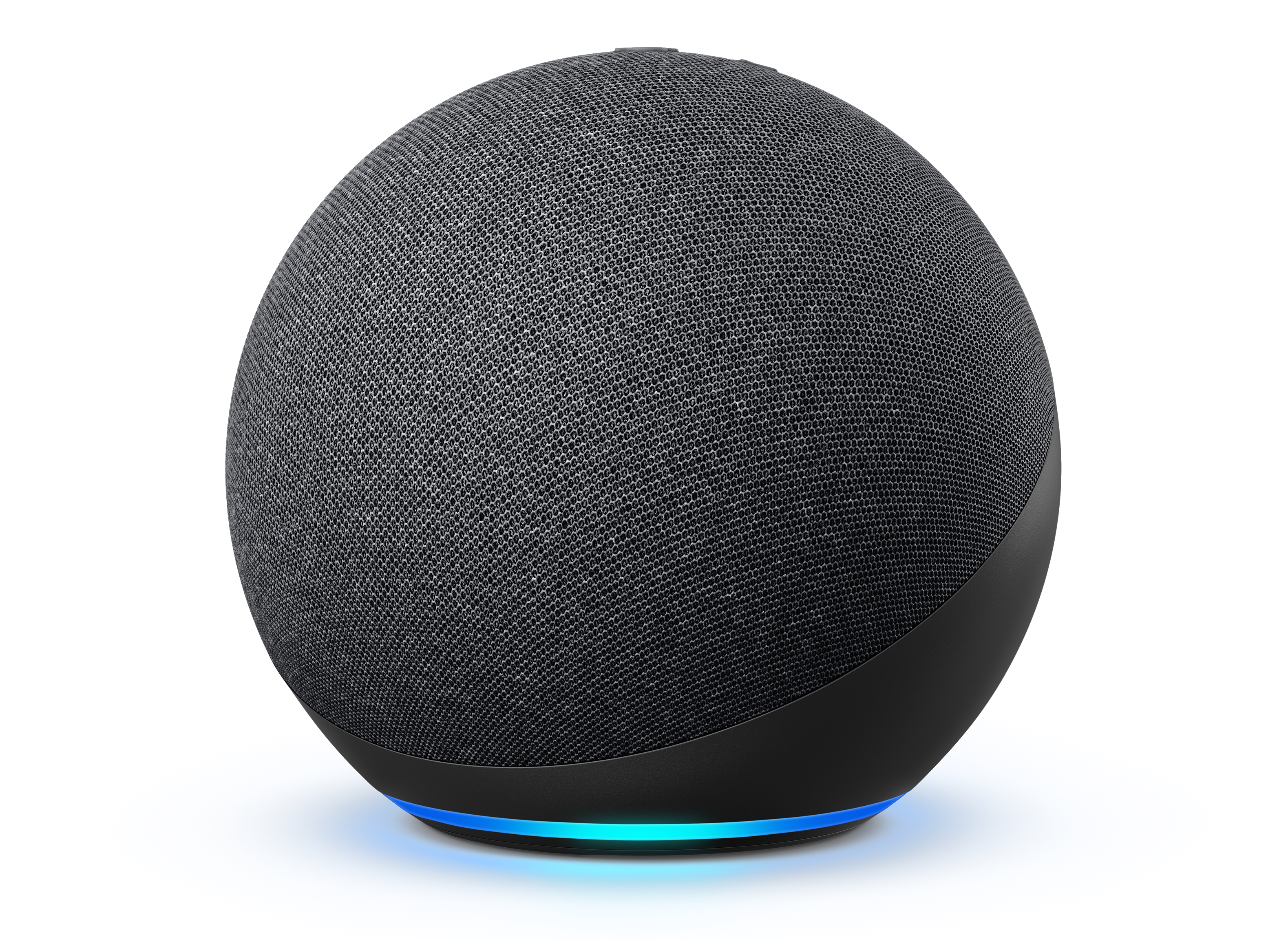 Best Overall: Amazon Echo (4th Gen)
best smart home integration and assistant features
Check Price → Best Sound: Sonos Era 100
 Best for Apple: Apple HomePod (2nd Gen)
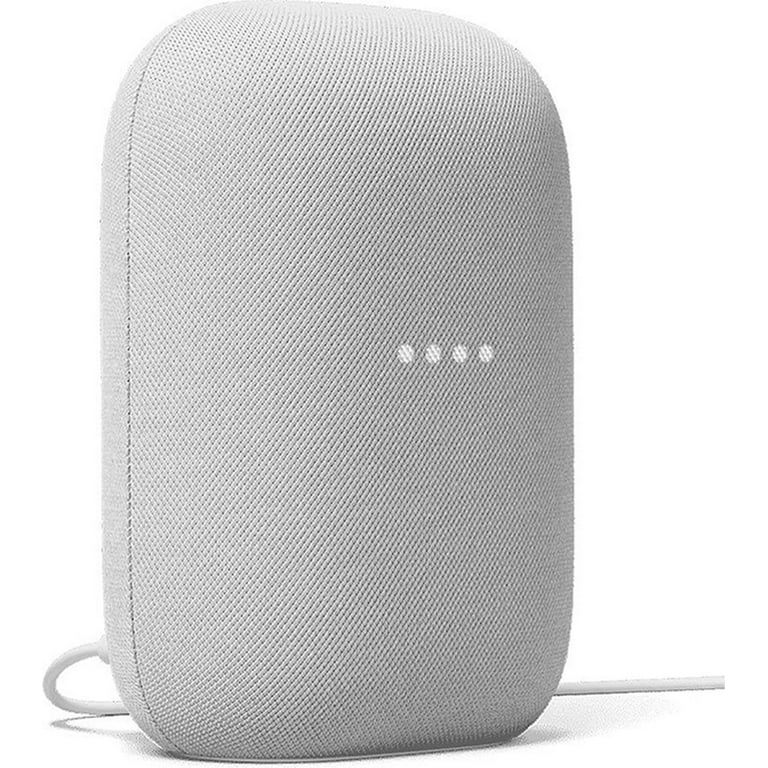 Best Google: Google Nest Audio
 Best Display: Amazon Echo Show 10
Our Top Smart Speaker Picks
Amazon Echo (4th Gen) — Best Overall Smart Speaker
The most versatile smart home hub — best assistant breadth, best device compatibility.
The 4th generation Amazon Echo is the smart speaker we recommend to most people, and it comes down to Alexa's ecosystem advantage. With support for over 100,000 third-party skills and the broadest smart home device compatibility of any platform, the Echo can control virtually anything in your home. If a device supports voice control, it almost certainly works with Alexa.
The spherical design improves audio compared to the previous cylindrical design, with a 3-inch woofer and dual tweeters producing genuinely good sound for a smart speaker. The Zigbee smart home hub is built in, allowing direct control of Zigbee devices without a separate hub. Ambient temperature sensing and a motion sensor round out the package.
Pros
- Largest smart home device compatibility
- Built-in Zigbee hub
- Strong 360° audio for the price
- Great multi-room audio with other Echos
Cons
- Sound quality behind Sonos/HomePod
- Privacy concerns with always-on microphone
- Alexa can be overly literal with requests
Sonos Era 100 — Best Sound Quality Smart Speaker
When audio quality matters more than assistant features — the clear choice.
Sonos built the Era 100 for people who actually care about how their music sounds. The dual angled tweeters create a wide stereo soundstage that no comparably-sized Amazon or Google speaker can match. Bass is tight and controlled from the dedicated tweeter. At medium-high volume, the Era 100 fills a room with clean, detailed audio that embarrasses its $249 price tag.
The Era 100 supports both Amazon Alexa and Sonos Voice Control built in, plus AirPlay 2 for Apple users. A line-in port and Bluetooth mean you're not locked to Wi-Fi streaming. Sonos's multi-room audio system is the best in the industry — if you want consistent, high-quality audio throughout your home, building a Sonos system pays dividends.
Pros
- Exceptional audio quality for size/price
- Works with Alexa, AirPlay 2, and Bluetooth
- Best multi-room audio ecosystem
- Bluetooth and line-in connectivity
Cons
- More expensive than Echo/Nest alternatives
- Sonos Voice Control less capable than Alexa/Google
- No display option
Apple HomePod (2nd Gen) — Best Smart Speaker for Apple Users
Remarkable spatial audio and seamless Apple ecosystem integration — but only if you're all-in on Apple.
The second-generation Apple HomePod is genuinely impressive on two fronts: audio quality and HomeKit integration. The spatial audio processing uses the built-in microphones to measure room acoustics and adjust the sound signature in real time — the result is a soundstage that sounds dramatically larger than the physical speaker suggests.
For HomeKit users, the HomePod serves as a home hub, enabling Automations and remote access to all your HomeKit devices. Siri has improved substantially and handles music requests, smart home commands, and Apple-ecosystem tasks (calls, messages, reminders) exceptionally well. The limitation is clear: without Apple devices, this speaker is a poor value.
Pros
- Room-sensing spatial audio is exceptional
- Native HomeKit home hub
- Temperature and humidity sensor built in
- Seamless iPhone/Apple TV handoff
Cons
- Heavily locked to Apple ecosystem
- Expensive at $299
- Siri lags behind Alexa/Google for general queries
Amazon Echo Dot (5th Gen) — Best Budget Smart Speaker
$49 for everything Alexa offers — the most accessible smart home entry point.
The Echo Dot 5th generation has enough audio improvement over its predecessors to be genuinely pleasant for casual music listening. The addition of a temperature sensor and motion sensor (new in this generation) make it useful as a passive smart home sensor beyond just a voice assistant. For the price, there's nothing that comes close.
If you want to put a smart speaker in every room, Echo Dots are the obvious choice — cost-effective, consistent Alexa experience everywhere, and easy to group for whole-home audio. Sound quality won't impress, but it's perfectly adequate for the kitchen counter, bedside table, or office. Frequently goes on sale for $25–$30 around major shopping events.
Pros
- Exceptional price-to-functionality ratio
- Built-in temperature and motion sensor
- Best entry point to Alexa ecosystem
- Compact form factor
Cons
- Audio quality is functional, not impressive
- No Zigbee hub (unlike larger Echo)
- Limited bass response
Google Nest Audio — Best Google Smart Speaker
Google Assistant's best voice recognition in a surprisingly capable speaker.
Google Nest Audio is the choice for people deeply embedded in Google's ecosystem. Google Assistant is still the most capable general-purpose voice assistant for natural language queries, Google services integration, and contextual follow-up questions. Ask a complex multi-part question and Google Assistant handles it; Alexa often stumbles.
The audio quality is better than its predecessor and competitive with the similarly-priced Echo (4th gen). The fabric-covered design blends naturally into home decor. If you use Google Calendar, YouTube Music, or rely on Google search quality for assistant answers, the Nest Audio is the right call.
Pros
- Best natural language understanding
- Deep Google services integration
- Good audio with strong mid-range
- Attractive fabric design
Cons
- Fewer third-party skills than Alexa
- Google's smart home strategy has shifted frequently
- No Bluetooth audio out
Amazon Echo Show 10 (3rd Gen) — Best Smart Display
A motorized display that physically follows you — genuinely useful, not a gimmick.
The Echo Show 10's defining feature is its motorized base that rotates the display to face you as you move around the room. In practice, this is most useful for video calls — your face stays centered on camera without you standing still. The 10.1-inch 1080p display is bright and clear. For a kitchen counter, this is the most capable smart home interface available.
Visual responses for recipes, weather, calendars, and shopping lists are genuinely superior to audio-only speakers for many use cases. The built-in Zigbee hub and Ring doorbell integration make it a strong smart home control panel. It also doubles as an Alexa speaker when you're not looking at it.
Pros
- Motorized display tracks your movement
- Excellent for video calls and recipes
- Built-in Zigbee hub
- Ring doorbell live view
Cons
- Expensive at ~$250
- Motorized base requires counter space
- Motion tracking can feel intrusive
How We Chose These Smart Speakers
We evaluated each speaker across four core criteria:
- Voice recognition accuracy: Tested in noisy environments, from across rooms, and with varied accents and phrasing. Wake word detection reliability and accuracy of command interpretation matter more than any single feature.
- Audio quality: Evaluated frequency response, bass depth, stereo width (where applicable), and distortion at high volumes. Compared in a consistent listening environment with the same music tracks.
- Smart home integration: Tested compatibility with major smart home platforms (Matter, Zigbee, Z-Wave support, brand-specific integrations) and evaluated the breadth of the associated assistant's skill/action library.
- Value: Considered not just price but the cost of building out an ecosystem — accessories, replacements, and whether the investment locks you into a platform you may want to leave.